The 3D Printer Pricing War: Lessons in High-Risk Price Skimming
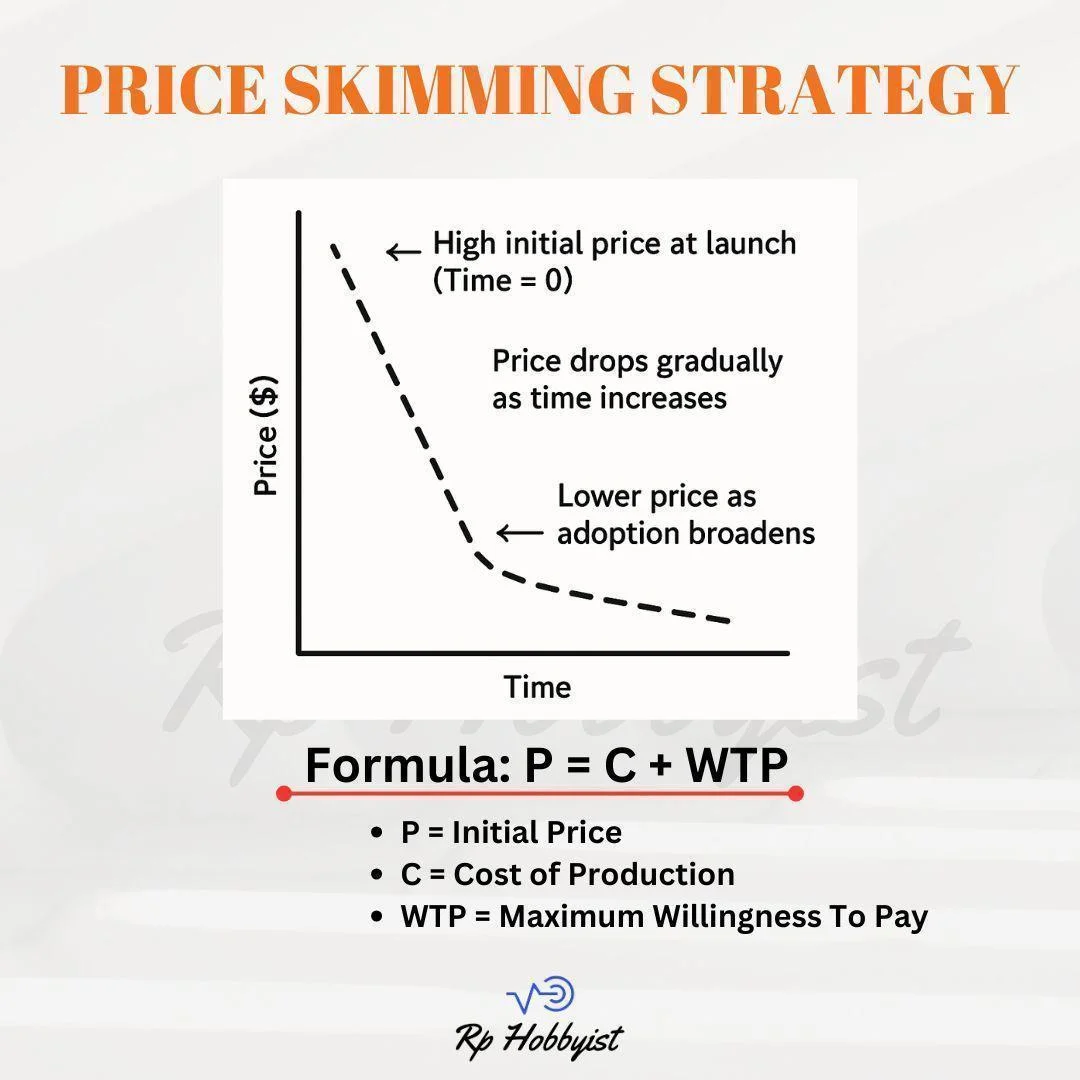
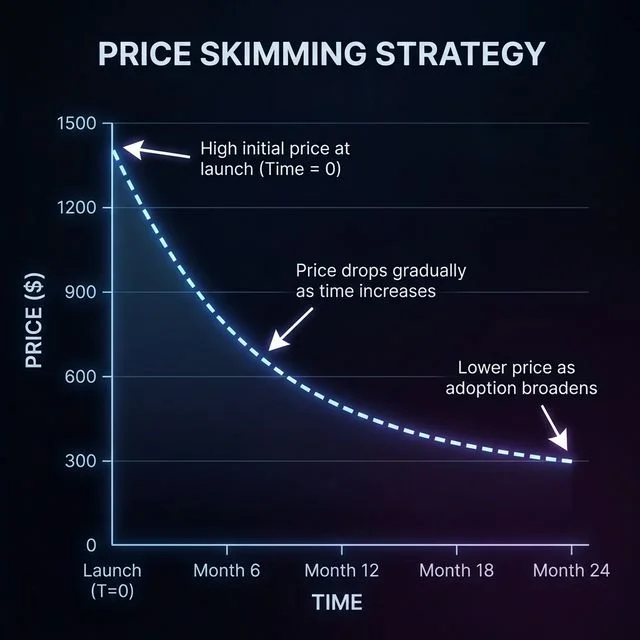
When you're eyeing a new piece of gear - like the latest carbon-fiber-ready 3D printer - you often see a massive price tag at launch. A few months later, that price starts to dip. This isn't just a sale; it's a calculated move called Price Skimming.
As a maker, I've spent years watching how companies launch high-end tech. Understanding this strategy helps you realize why innovation is so expensive at the start, and when the best time is to click 'buy'.
The Logic of the High Launch
Take the launch of a high-end printer like the Bambu Lab X1-Carbon. When it first hit the market, it was priced for the "Innovators" - the power users who needed those speeds and sensors immediately and were willing to pay the premium. This high initial price allowed the company to recoup their massive R&D costs quickly.
Crossing the 'Makers' Chasm
Crossing the Chasm
Geoffrey Moore's Technology Adoption Lifecycle · Hover over any segment to explore
The real battle happens at the "Chasm." This is where a product moves from being a cool novelty for enthusiasts to a reliable tool for the "Market Majority." To cross it, companies have to lower the barrier to entry - shifting their pricing and marketing from cutting-edge tech to reliable workhorse.
The Simple Formula
Formula: P = C + (Pmr * V)
In the maker world, I look at the Personal Maker ROI (Pmr). If a printer saves you 100 hours of sanding and failed prints, that time has a massive Value (V). Companies calculate exactly how much you're willing to pay to get those features now versus waiting a year for the budget version.
The Conclusion: Timing is Everything
Price skimming is a survival strategy for innovation. It funds the next generation of tools we all end up using. Whether you're a creator or a consumer, knowing where a product sits on the skimming curve helps you make smarter decisions about your workshop budget.
Frequently Asked Questions
What is Price Skimming in the hardware tech industry?
Price skimming is a strategy where a company sets a high initial price to recoup R&D costs quickly from "early adopters." As demand slows, the price is progressively lowered to capture more price-sensitive market segments.
Why do early adopters pay more for new 3D printers?
Early adopters are paying a premium for immediate access to cutting-edge features. This buys them competitive advantages (like faster prototyping speeds) months before the technology becomes cheap and mainstream.
How do you know when to buy a tech product during a skimming cycle?
If the new feature drastically saves you time or opens new business capabilities, buy early. If it's a minor quality-of-life update, wait six to twelve months for the "chasm" discount as the company targets the broader market.
How does price skimming differ from penetration pricing?
Price skimming starts with a high price to capture early adopters with high willingness to pay, then lowers the price over time. Penetration pricing starts with an artificially low price to quickly capture high market share, then slowly raises prices.
What are the risks of price skimming for a hardware startup?
The main risks are attracting competitors who can undercut your high margins, frustrating early customers when the price drops, and misjudging the size of the early adopter market, leading to unsold high-cost inventory.