Laboratory Safety Guide: Hazard Mitigation Protocols for Makers & Workshops
I learned the true value of safety protocols the hard way. Like many makers, I started buying heavy machinery before I had the professional training to respect it. My first major purchase was an angle hand grinder - a tool I bought simply because it seemed incredibly versatile for cutting and grinding almost anything.
At the time, I was building a custom table and enclosure for my 3D printer. I didn't know the golden rules of using a grinder. I didn't know which blades were suitable, why the safety guard was non-negotiable, or even how to hold the tool to prevent the torque from fighting against my stance.
My lack of self-awareness regarding safety protocols led to a perfect storm of mistakes:
- Mistake 1: The Wrong Blade & No PPE. I attached a toothed wood-cutting blade to the grinder to cut wooden sheets. I also wasn't wearing eye protection. (Using a wood blade on an angle grinder is notoriously dangerous because the teeth catch the wood fibers, violently throwing the tool).
- Mistake 2: Bypassing Safeguards. Because the wood blade I bought was too large for the grinder's arbor, I completely removed the metal safety guard to make it fit.
- Mistake 3: Zero Training. I turned the machine on without watching a single tutorial or reading the manual on proper grinder kickback zones.
- Mistake 4: Environmental Hazards. I was working in a very cramped, enclosed space, directly violating the required safety working radius for high-RPM tools.
For three days, luck was on my side. The grinder cut through the wood sheets easily, which built a false sense of confidence. Then, the inevitable happened.
The wood blade caught a knot in the sheet. The violent kickback ripped the grinder backward with terrifying force. Because I had removed the guard and was working in a tight space, I couldn't deflect the tool. The spinning blade tore deeply into my hand. I was incredibly lucky it didn't sever a major artery or tendon.
Sitting in the aftermath of that accident, staring at my hand, I realized something fundamental: Safety regulations are written in blood. That day changed everything. I stopped blindly buying tools and started heavily researching formal Laboratory Safety Protocols. I sought out professional training, redesigned my entire workshop, and implemented strict engineering controls.
What follows is the direct result of that hard lesson. It is a comprehensive, technically grounded breakdown of the critical safety infrastructure required for any industrial, research, or serious maker laboratory. Never touch a machine until you understand these systems.
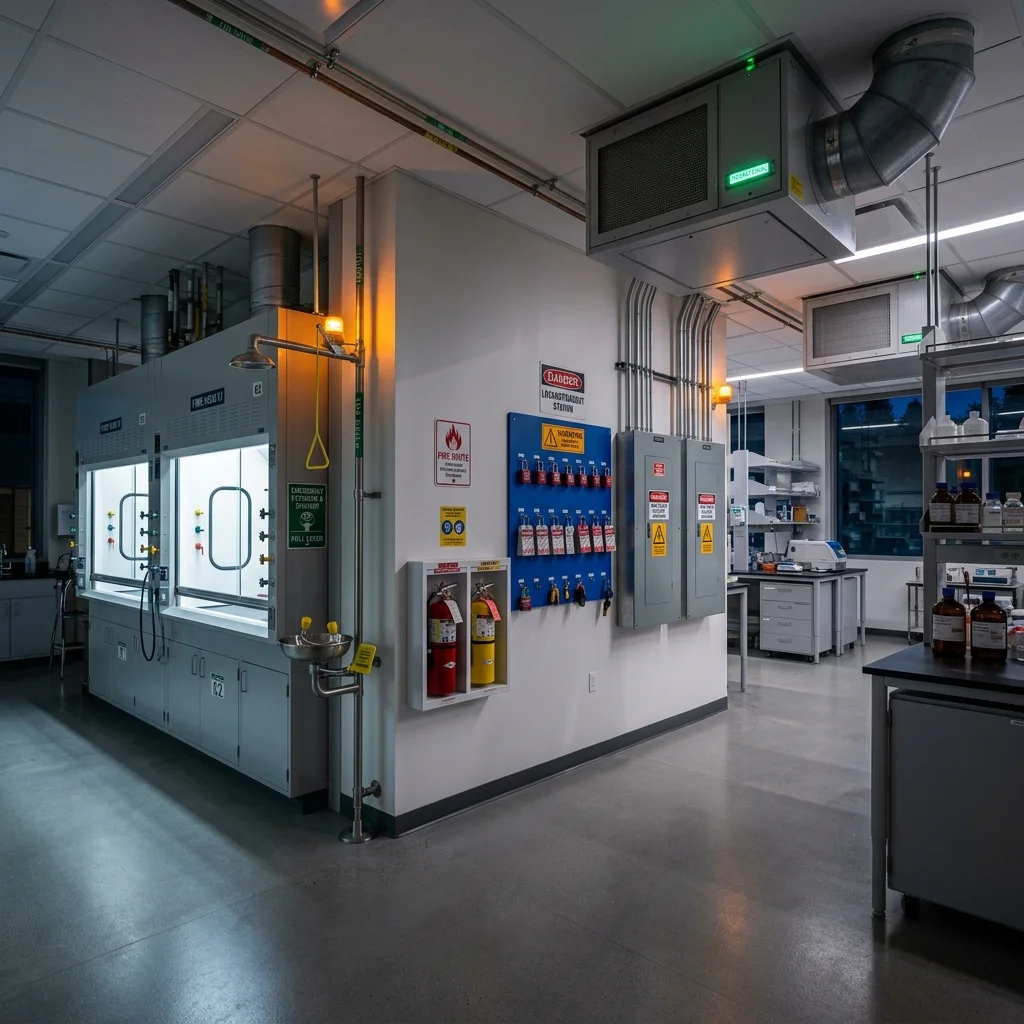
To make sense of these complex requirements, we must approach lab safety through the Hierarchy of Controls. This means starting with foundational rules and engineering controls before relying on protective gear and emergency responses. We have broken this guide down into five logical phases:
- Phase 1: The Foundation (Documentation & Training)
- Phase 2: Engineering Controls (Facility Infrastructure)
- Phase 3: Operational Protocols (Storage, PPE & Tool Handling)
- Phase 4: Emergency Response (Fire & SOS Systems)
- Phase 5: Visual Communication (Safety Symbology)
Phase 1: Lab Safety Documentation and Training (Administrative Controls)
Before any machines are turned on, the rules must be written, accessible, and understood by everyone in the room.
1. Safety Documentation and Hardcopy Protocol
Digital systems fail. Servers crash, networks go down, and cloud platforms become inaccessible during the exact emergencies when documentation is needed most. Every laboratory must maintain a physical, hardcopy Safety Protocol File that is immediately accessible at a designated station within the workspace. This is not a bureaucratic formality; it is a life-critical operational requirement.
The Master Safety Protocol File
The Safety Protocol File is a single, consolidated binder (or set of binders) that contains every document a technician, researcher, or emergency responder would need during routine operations or a critical incident. It must be:
- Physically present in the lab at all times, stored in a clearly marked, fire-resistant document cabinet near the primary egress point.
- Version-controlled with a revision log on the front page. Every update must be dated, signed by the Safety Officer, and old pages must be replaced (not merely appended).
- Accessible without credentials. Emergency responders arriving on-scene must be able to open the file and immediately identify the chemicals present, their hazards, and the correct suppression agents without needing passwords, badge access, or internet connectivity.
What Goes Into the File
The following table provides a comprehensive inventory of every document category that must be maintained in the hardcopy Safety Protocol File. Each document must be reviewed at the interval specified and signed off by the designated responsible party.
| Document Category | Specific Documents Required | Review Interval | Responsible Party |
|---|---|---|---|
| General Safety Protocols | Lab-specific Safety Manual, Emergency Action Plan, Evacuation Routes Map, Assembly Point Designations | Annually | Safety Officer |
| Machine Operating Procedures | Standard Operating Procedures (SOPs) for every machine (CNC, lathe, centrifuge, 3D printer, etc.), including startup, shutdown, and emergency stop sequences | Annually or after modification | Equipment Supervisor |
| Machine Safety Precautions | Hazard-specific warnings per machine (pinch points, rotation speeds, max loads), required PPE per machine, operator certification requirements | Annually | Equipment Supervisor |
| Chemical Handling Procedures | Chemical Hygiene Plan, Safe handling instructions for each reagent class, Spill response procedures, Waste disposal protocols | Annually | Chemical Hygiene Officer |
| Safety Data Sheets (SDS) | Complete SDS file for every chemical compound present on-site, organized by storage location. Must include GHS pictograms, first aid measures, and firefighting measures | Updated on receipt of new chemicals | Chemical Hygiene Officer |
| Chemical Inventory Register | Current stock register listing chemical name, CAS number, hazard class, quantity on-site, storage location, date received, and expiry date | Quarterly | Lab Manager |
| Calibration Certificates | Valid calibration certificates for all measurement and test equipment: balances, thermometers, pH meters, multimeters, pressure gauges, torque wrenches | Per calibration schedule (typically 6-12 months) | Quality / Metrology Lead |
| Equipment Maintenance Logs | Routine maintenance checklists with date, technician name, work performed, and next scheduled service for each piece of equipment | Per maintenance schedule | Maintenance Technician |
| Inspection and Audit Reports | Records of internal safety audits, external regulatory inspections, fire marshal inspections, fume hood face velocity certifications, eyewash/shower flow tests | Annually (or per regulatory mandate) | Safety Officer |
| PPE Inspection Records | Inspection logs for all PPE: face shields, respirators (fit-test records), safety harnesses, insulating gloves (dielectric test dates) | Per manufacturer recommendation | Safety Officer |
| Fire Suppression Records | Fire extinguisher inspection tags (monthly visual, annual professional), suppression system service reports, fire alarm test logs | Monthly (visual) / Annually (professional) | Facilities Manager |
| Electrical Safety Records | Arc flash hazard analysis labels, LOTO procedure sheets per machine, GFCI test logs, grounding/bonding verification records | Annually or after electrical modifications | Electrical Safety Officer |
| Training and Competency Records | Signed training attendance sheets, competency assessment results, certification expiry tracker, drill participation logs | Per training cycle (typically annual) | Training Coordinator |
| Incident and Near-Miss Reports | Completed incident investigation forms, root cause analysis reports, corrective action tracker, near-miss reporting log | Ongoing (filed within 24 hours of incident) | Safety Officer |
| Permits and Licenses | Facility operating permits, radioactive materials licenses (if applicable), controlled substance permits, environmental discharge permits | Per renewal cycle | Lab Director |
| Emergency Contact Directory | Internal emergency contacts (Safety Officer, Lab Director, Facilities), external contacts (Poison Control, Fire Department, nearest hospital with burn/trauma unit), utility shutoff contacts | Quarterly | Safety Officer |
| Waste Disposal Manifests | Hazardous waste manifests, chemical waste pickup receipts, sharps disposal logs, radioactive waste decay-in-storage records | Per disposal event | Waste Management Coordinator |
File Maintenance Discipline
The Safety Protocol File is a living document. Maintaining it requires the same rigor as maintaining the equipment it covers:
- Monthly audits: The Safety Officer must verify that all sections are current, no pages are missing, and all calibration certificates are within their validity window.
- Immediate updates: When a new chemical is procured, a new machine is installed, or a procedure changes, the corresponding section must be updated within 48 hours.
- Duplicate off-site copy: A second copy of the complete file (or a verified digital backup on an air-gapped system) must be stored off-site or in a separate fire-rated safe for disaster recovery.
- Color-coded dividers: Use standardized color-coded tab dividers (e.g., Red for Chemical, Blue for Electrical, Green for General Safety, Yellow for Maintenance) for rapid navigation during emergencies.
The goal is simple: if someone is injured, if a spill occurs, or if an inspector walks through the door, every answer they need is in one physical location, organized, current, and immediately accessible. No passwords, no Wi-Fi, no excuses.
2. Mandatory Safety Training and Competency Validation
Safety infrastructure is only as effective as the personnel operating within it. Continuous education is a critical component of operational resilience. The best equipment in the world is useless if the person in front of it does not understand how to use it - or when to leave the room.
Periodic Recertification
All laboratory personnel must undergo rigorous, documented safety training prior to initial access, followed by mandatory periodic recertification cycles (typically annual or biannual). This curriculum must cover:
- Chemical hygiene plans specific to the facility's reagent inventory.
- Emergency egress routes and assembly points.
- Specific hazards inherent to the facility (e.g., laser classes, radiation sources, cryogenic systems).
- Proper use and limitations of all PPE available on-site.
Simulation-Based Drills
Didactic learning must be supplemented with practical, simulation-based drills. Personnel must routinely practice:
- Emergency shutdown procedures for all critical equipment.
- Spill containment protocols for the most hazardous chemicals on-site.
- Proper deployment of specialized fire suppression equipment (especially Class D extinguishers).
- Evacuation drills including scenarios where primary egress routes are blocked.
Audit and Compliance Tracking
Access control systems must be integrated with the training database. If a researcher's safety certification lapses, their access to high-hazard operational zones must be automatically revoked until compliance is reestablished through active training. This integration can be achieved through RFID badge systems linked to the facility's Learning Management System (LMS).
Phase 2: Engineering Controls (The Facility)
The facility itself must be designed to isolate hazards from the operator as much as possible through physical and environmental systems.
3. Atmospheric Filtration and Environmental Controls
Airborne hazards require facility-level engineering controls to protect both the operator and the broader facility. These are not optional add-ons; they are the primary line of defense.
Fume Hood Face Velocity
Chemical handling must occur within a certified fume hood. Fume hoods must maintain an optimal face velocity of 80 to 100 feet per minute (fpm) to ensure proper vapor capture and exhaust. A velocity below 80 fpm allows vapors to spill out into the breathing zone; above 120 fpm creates turbulence that can actually eject contaminants from the hood interior.
Room Filtration and HVAC Containment
Beyond point-of-use fume hoods, critical lab environments must utilize dedicated room filters:
- High-Efficiency Particulate Air (HEPA) filters capture 99.97% of particles at 0.3 micrometers.
- Ultra-Low Penetration Air (ULPA) filters capture 99.999% of particles at 0.12 micrometers, required for cleanroom or nanomaterial work.
The HVAC system should maintain a precise negative pressure differential relative to adjacent corridors, ensuring that any aerosolized contaminants are drawn into the filtration system rather than escaping the containment zone. A typical target is -12.5 Pascals (-0.05 inches of water gauge).
4. Electrical Systems and Arc Flash Safety
Laboratory equipment often draws substantial current, making electrical shock and arc flash severe risks. An arc flash event can reach temperatures of 35,000 degrees Fahrenheit - four times hotter than the surface of the sun.
Circuit Protection
Ground Fault Circuit Interrupters (GFCI) are mandatory for all receptacles located within six feet of a water source or in wet operational zones. GFCIs detect imbalances as small as 4-6 milliamps between hot and neutral conductors and trip within 25 milliseconds.
Lockout/Tagout (LOTO)
Before any maintenance or casing removal on laboratory machinery, a strict LOTO procedure must be executed. This ensures a verifiable "zero-energy state" by physically locking the power source in the off position. Key steps include:
- Notify all affected personnel.
- Identify all energy sources (electrical, pneumatic, hydraulic, thermal, potential).
- Shut down equipment using normal stopping procedures.
- Apply individual lockout devices and tags to each energy isolation point.
- Verify zero-energy state by attempting to restart the machine.
- Dissipate any residual/stored energy (capacitors, springs, elevated components).
Grounding and Bonding
When transferring flammable liquids between metal containers, static electricity can act as an ignition source. Proper grounding and bonding cables must be used to equalize the electrical potential and safely dissipate static charges. The bonding wire connects the two containers; the grounding wire connects at least one container to an earth ground.
5. Mechanical Safeguarding and Kinetic Energy
Moving parts on laboratory mills, centrifuges, and CNC equipment introduce risks of entanglement, crushing, and severing. These are among the most immediately catastrophic hazards in any workshop.
Physical Guarding
Fixed or adjustable guards must be installed over all power transmission apparatuses. Guarding must completely physically isolate the operator from pinch points and nip points. Guard openings must comply with OSHA Table O-10, which specifies maximum opening sizes based on the distance from the hazard point.
Control System Interlocks
Machine doors and access panels must be equipped with fail-safe limit switches or interlocks. If a high-speed centrifuge is opened during operation, the interlock must immediately sever power to the drive motor and engage an active braking system. These interlocks must be wired in a normally-closed (NC) configuration so that a broken wire results in a safe shutdown, not an undetected failure.
Phase 3: Operational Protocols
With the facility secured, day-to-day operations require strict handling procedures and personal protective barriers.
6. Chemical and Energy Storage Architectures
Safety relies heavily on environmental controls and strict segregation protocols to prevent runaway exothermic reactions. Poor storage practices are one of the most common root causes of laboratory incidents.
Chemical Segregation
Reagents cannot be stored alphabetically. They must be stored by hazard class to prevent spontaneous reactions. Critical segregation rules include:
- Strong oxidizers (like nitric acid or peroxides) must be strictly isolated from flammables and reducing agents.
- Acids and bases must be stored in separate, dedicated corrosive cabinets with secondary containment trays to capture leaks.
- Water-reactive substances (sodium, potassium) must never be stored near aqueous solutions or plumbed emergency equipment.
Fireproof Battery Storage
The proliferation of high-density energy research requires strict containment for lithium-ion and solid-state batteries. These must be stored in specialized, fire-rated safety cabinets designed to withstand internal thermal runaway. These enclosures feature:
- Integrated pressure relief valves to prevent enclosure rupture during off-gassing.
- Internal aerosolized fire suppression systems (e.g., clean agent (e.g., FK-5-1-12)) to cool failing cells.
- Thermal sensors that trigger automatic alerts when internal temperatures exceed safe thresholds.
7. Personal Protective Equipment (PPE) and Medical Response
PPE is your final barrier against acute and chronic hazard exposure, and it must be supported by immediate medical countermeasures.
Ocular and Facial Shielding
Standard safety glasses are insufficient for high-risk operations. Use ANSI Z87.1+ compliant impact-resistant goggles. When working with pressurized systems or large volumes of corrosive liquids, a full-face polycarbonate shield must supplement the goggles to prevent dermal exposure to the face and neck. The key specification to verify is the impact rating: Z87+ denotes high-velocity impact resistance, which is mandatory for grinding, cutting, and pressurized fluid operations.
Dermal Protection and Polymer Selection
Glove material must be matched to the specific chemical handling task by analyzing degradation rates and breakthrough times. Nitrile is suitable for general aliphatic hydrocarbons and incidental contact, but halogenated solvents or aggressive ketones necessitate specialized polymers like butyl rubber or Silver Shield laminates. Always cross-reference glove selection with the chemical manufacturer's Safety Data Sheet (SDS).
| Glove Material | Best For | Avoid With |
|---|---|---|
| Nitrile | General solvents, oils, fuels | Ketones, strong oxidizers |
| Butyl Rubber | Ketones, esters, gas/vapor | Hydrocarbons, gasoline |
| Silver Shield (Laminate) | Broad-spectrum chemical resistance | Poor abrasion resistance; use with outer glove |
| Neoprene | Acids, bases, alcohols | Aromatic solvents |
First Aid and Trauma Kits
Standard commercial first aid kits fail to address lab-specific chemical or thermal trauma. Laboratories must maintain specialized trauma kits containing:
- Calcium gluconate gel for hydrofluoric acid (HF) exposure - HF burns are uniquely dangerous as they penetrate skin and attack bone calcium.
- Advanced burn dressings (e.g., Water-Jel or Burnfree) for thermal and chemical burns.
- Chemical neutralizers specific to the reagents in active use.
This infrastructure is permanently supplemented by plumbed, ANSI Z358.1 compliant emergency eyewash stations and deluge showers capable of delivering 20 gallons per minute of tepid water. These stations must be within a 10-second walk (approximately 16.8 meters) of any area where corrosive chemicals are handled.
8. Handheld Power Tools and Kinetic Ergonomics
As highlighted in my angle grinder accident, industrial safety isn't just about massive CNC machines or chemical fume hoods; it applies equally to the handheld rotational tools used every day in maker spaces. High-torque handheld tools represent a unique kinetic hazard because the human body is the only fixture holding them.
RPM Matching and Tool Anatomy
A catastrophic failure often occurs when operators mount the wrong abrasive or cutting disc to a high-RPM tool. An angle grinder spinning at 11,000 RPM will instantly shatter a disc rated for only 6,000 RPM, turning the abrasive wheel into deadly shrapnel. Operators must strictly verify that the Maximum Safe RPM printed on the accessory exceeds the maximum no-load RPM of the tool.
Managing the Kickback Zone
Kickback occurs when a rotational tool binds in the material, violently transferring the kinetic energy of the motor directly into the operator's wrists and arms. To mitigate this:
- Never remove factory guards: The guard is engineered to deflect debris away from the operator's face and hands if a disc shatters or the tool kicks back.
- Maintain an offset stance: Never align your head or torso directly within the rotational plane of the blade. Always stand slightly offset.
- Understand the quadrant: On an angle grinder, the upper-right quadrant of the disc is the "kickback zone." Cutting with this section of the wheel forces the tool to climb out of the cut and back toward the user.
Phase 4: Emergency Response
When the first three phases fail, the laboratory must have robust systems to detect catastrophic events and communicate distress.
9. Fire Detection, Alarms, and Suppression
Automated early warning systems are a critical precursor to manual or automated fire suppression. The detection strategy must be tailored to the laboratory environment to avoid both false alarms and delayed response.
Multi-Criteria Sensing
Relying solely on standard smoke detectors can lead to false alarms triggered by common chemical vapors or steam. A robust detection array utilizes multi-criteria sensors, including:
- Rate-of-rise heat detectors that trigger when temperature increases faster than 12-15 degrees Fahrenheit per minute.
- Optical flame detectors that identify specific infrared (IR) or ultraviolet (UV) spectral signatures unique to combustion.
- Photoelectric smoke detectors for smoldering combustion scenarios.
Fire Alarms and Audio/Visual Alerts
Detection systems must immediately trigger a localized and building-wide fire alarm. This setup requires:
- Dual-action manual pull stations at all egress points.
- ADA-compliant audio/visual notification appliances (horns and high-intensity strobes) to ensure alerts penetrate high-noise environments.
- Integration with building management systems (BMS) for automated HVAC shutdown and smoke damper activation.
Targeted Suppression
You must always have a fire extinguisher readily accessible, but deploying the wrong agent is catastrophic. See NFPA guidelines for more details.
| Fire Class | Fuel Type | Extinguishing Agent | Critical Note |
|---|---|---|---|
| Class A | Ordinary combustibles | Water, ABC dry chemical | Standard |
| Class B | Flammable liquids | CO2, dry chemical, foam | Never use water on grease fires |
| Class C | Electrical equipment | CO2, dry chemical | De-energize equipment first if possible |
| Class D | Combustible metals (Mg, Li, Ti) | Specialized dry powder (Met-L-X) | Water causes violent reaction |
| Class K | Cooking oils/fats | Wet chemical | Relevant for lab kitchens |
10. SOS Systems and Critical Incident Communication
In high-security or highly hazardous environments, automated detection is not enough to ensure personnel survival during a catastrophic event. Human-activated and passive alerting systems are a critical last line of defense.
Critical Lab SOS Protocols
Critical labs must integrate a dedicated SOS emergency communication system. This infrastructure includes:
- Strategically placed panic buttons connected directly to on-site security and local emergency services.
- Integrated lone-worker monitoring devices for personnel operating outside of standard staffing hours.
- Two-way intercom systems at critical chokepoints (chemical storage rooms, high-voltage bays).
Fail-Safe Telemetry
Personnel working off-hours or in isolated highly toxic zones must wear devices featuring a "dead-man switch" or fall-detection telemetry. If a researcher is immobilized, incapacitated, or fails to acknowledge a localized prompt within a configurable timeout (typically 30-60 seconds), the system automatically transmits an SOS signal directly to emergency response teams, bypassing standard communication bottlenecks. Modern implementations use GPS-enabled wearables with cellular and LoRa fallback communication.
Phase 5: Visual Communication and Signage
Understanding environmental hazards requires strict adherence to standardized visual communication. Before operating any equipment or handling chemical agents, personnel must be able to instantly identify and react to universal safety symbology. Below is a reference table of the most critical safety signs utilized in industrial and laboratory settings.
11. Universal Safety Symbology
Each sign dictates specific PPE requirements and operational boundaries. Ignoring these signs, even for a brief moment, can result in catastrophic failure or injury.
| Symbol | Hazard Class | Meaning and Protocol |
|---|---|---|
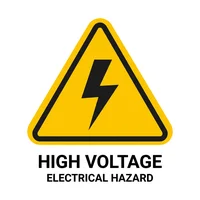
|
High Voltage | Indicates lethal electrical voltage present. Only LOTO-certified personnel may open enclosures marked with this sign. Requires dielectric PPE and isolated tooling. |
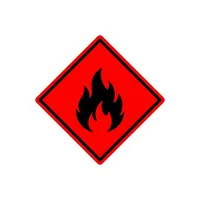
|
Flammable Material | Indicates highly combustible liquids, gases, or solids. Absolutely no open flames or spark-producing tools (like angle grinders) are permitted within a 20-foot radius. |
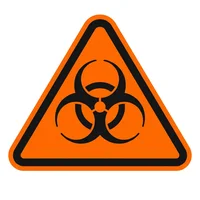
|
Biohazard | Indicates biological agents posing a threat to human health. Requires specific biosafety cabinet ventilation and Level 2+ sterilization protocols. |
|
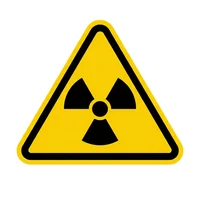
Ionizing Radiation | Indicates radioactive isotopes or x-ray equipment. Entry strictly requires dosimeter badge tracking and specialized lead-lined shielding. |
|
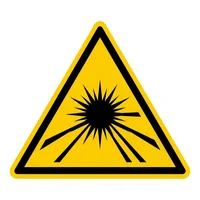
Laser Radiation | Indicates high-power optical lasers (Class 3B or Class 4). Direct or scattered light can cause instant retinal damage. Wavelength-specific protective eyewear is mandatory. |
|
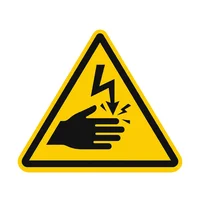
Electrostatic Sensitive Device (ESD) | Indicates microelectronics highly vulnerable to static discharge. Grounding straps and ESD-safe matting are mandatory before handling components. |
|
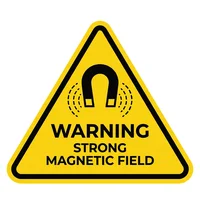
Strong Magnetic Field | Indicates presence of high-tesla magnets. Personnel with pacemakers or metallic implants are strictly forbidden. Keep all magnetic media and tools away. |
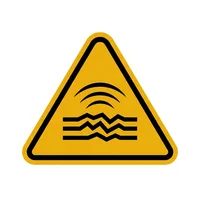
|
Vibration Sensitive | Equipment requires absolute mechanical stability (e.g., optical tables, electron microscopes). Avoid heavy footsteps or using impact tools nearby. |

|
Fragile / Handle With Care | Denotes delicate instrumentation or glassware prone to shattering. Dropping this item could result in catastrophic failure or hazardous chemical release. |
Conclusion: The Safety Mindset
Operational resilience in a laboratory or workshop is not achieved by simply buying the right PPE or printing out an emergency plan. It is a continuous, uncompromising mindset. Whether you are operating a multi-axis industrial CNC, handling pyrophoric chemicals, or simply making a quick cut with an angle grinder, the physics of the hazard do not care about your experience level. Respect the hierarchy of controls, maintain your safety infrastructure, and never bypass a safety mechanism for the sake of convenience.
Frequently Asked Questions
What face velocity should a laboratory fume hood maintain?
A laboratory fume hood should maintain a face velocity between 80 and 100 feet per minute (fpm) for optimal vapor capture. Velocities below 80 fpm allow vapors to spill out, while velocities above 120 fpm create turbulence that can eject contaminants from the hood. Annual certification testing is required to verify compliance.
Why is alphabetical storage of chemicals dangerous?
Alphabetical storage places incompatible chemicals next to each other, creating the risk of violent reactions if containers leak or break. For example, acetic acid (A) next to ammonium nitrate (A) can create a fire hazard. Chemicals must always be stored by hazard class: oxidizers separate from flammables, acids separate from bases.
What is the purpose of Lockout/Tagout (LOTO) in a laboratory?
Lockout/Tagout (LOTO) is a safety procedure that ensures a verifiable zero-energy state on machinery before maintenance or casing removal. By physically locking the power source in the off position and attaching a tag, it prevents accidental energization that could cause electrical shock, mechanical entanglement, or burns. LOTO must account for all energy types: electrical, pneumatic, hydraulic, thermal, and potential energy.
What type of fire extinguisher should be used on combustible metals like lithium?
Combustible metals such as lithium, magnesium, and titanium require a specialized Class D dry powder extinguisher (e.g., Met-L-X). Using water or standard ABC extinguishers on metal fires can cause violent hydrogen explosions. Class D agents smother the fire by forming a crust over the burning metal, cutting off the oxygen supply.
How does a dead-man switch protect lone laboratory workers?
A dead-man switch is a wearable safety device that requires periodic acknowledgment (typically every 30-60 seconds). If the wearer is incapacitated, falls, or fails to respond to a prompt, the device automatically transmits an SOS signal with GPS coordinates to emergency responders. This is critical for personnel working in isolated areas, toxic zones, or outside standard staffing hours.
What happens if a researcher's safety certification expires?
When a researcher's safety certification lapses, their physical access to high-hazard operational zones must be automatically revoked. This is typically enforced through RFID badge systems integrated with the facility's Learning Management System (LMS). Access is restored only after the individual completes mandatory recertification training and passes a competency assessment.
What is the difference between HEPA and ULPA filtration in a laboratory?
HEPA (High-Efficiency Particulate Air) filters capture 99.97% of particles at 0.3 micrometers, making them suitable for most laboratory applications. ULPA (Ultra-Low Penetration Air) filters capture 99.999% of particles at 0.12 micrometers, providing an additional order of magnitude in filtration efficiency. ULPA filters are required for cleanroom operations, nanotechnology research, and semiconductor fabrication environments.