The Industrial IoT Guide: Choosing the Right Protocols for Automation
Why You Need to Read This
If you are building a smart home, deploying an industrial sensor network, or simply trying to get two devices to talk to each other, picking the wrong protocol will cost you time, money, and battery life. We are going to cut through the marketing noise and look at exactly how these protocols work under the hood - from PHY-layer modulation and collision avoidance to application-layer packet routing.
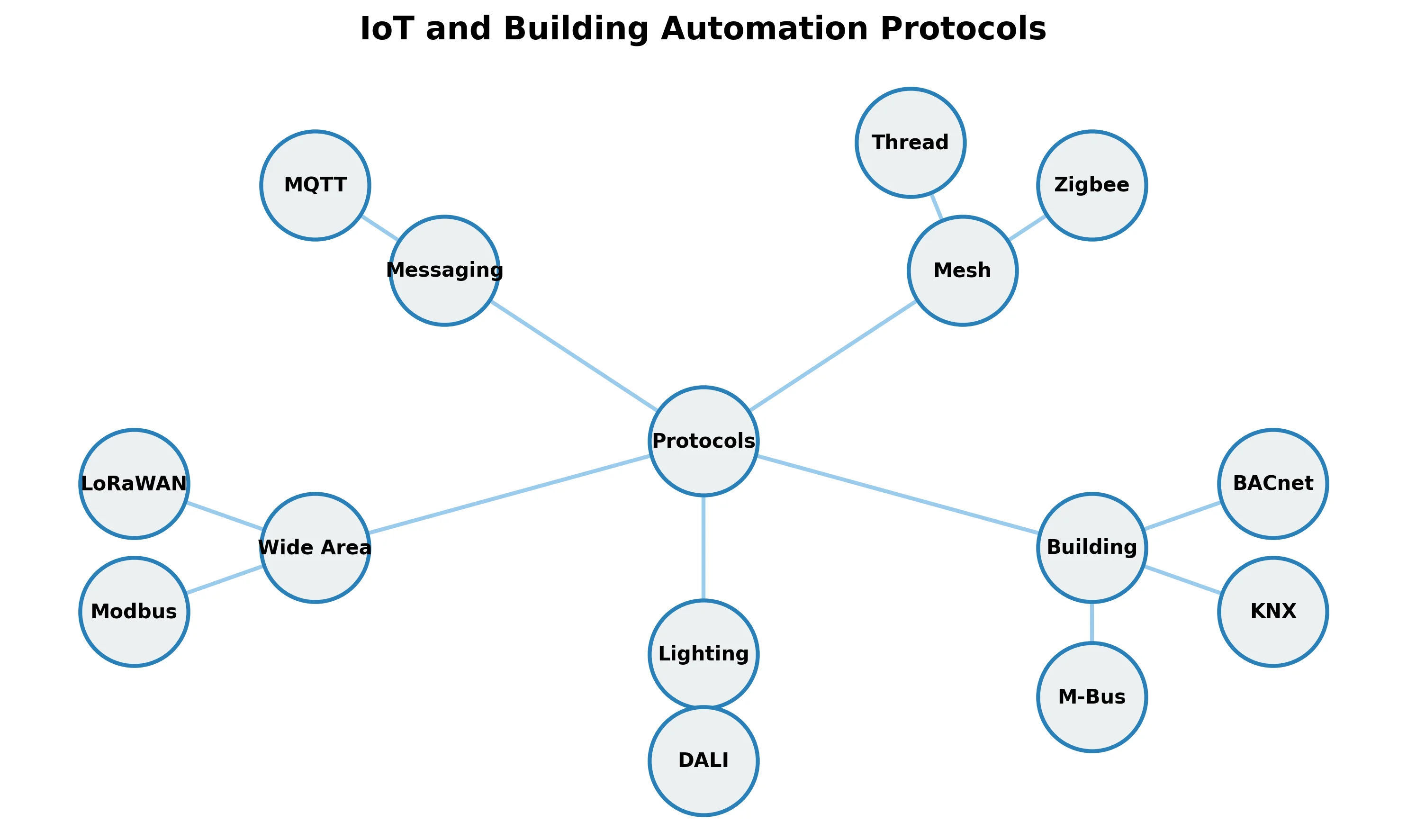
Figure 1: Structural Hierarchy of Core IoT Protocols.
1. The Foundation: Network Topologies
Before analyzing the protocol stacks, we must understand the physical and logical layout of the network. The topology dictates latency, single-points-of-failure, and power consumption.
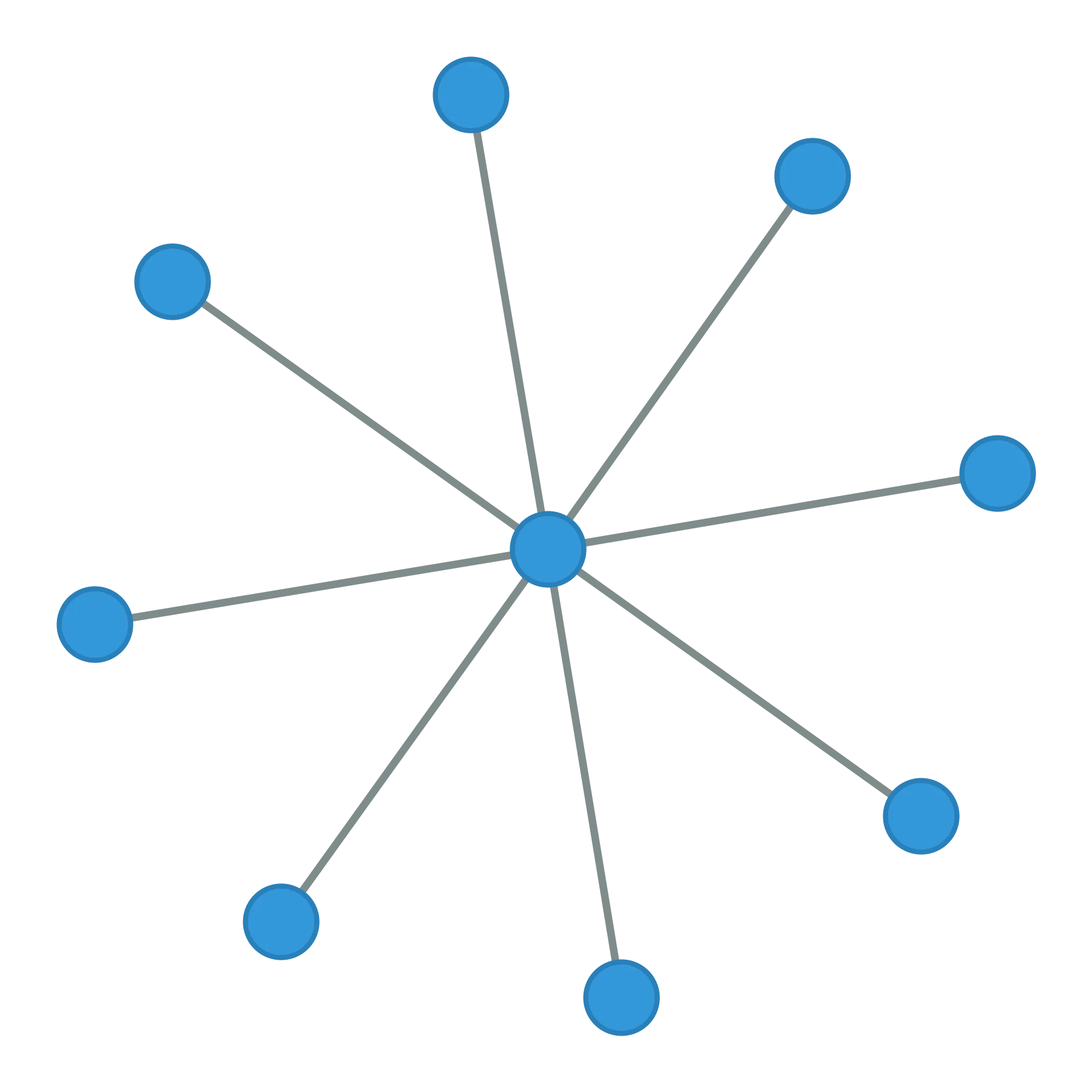
Fig 2a: Star Topology (MQTT / Hub-based).
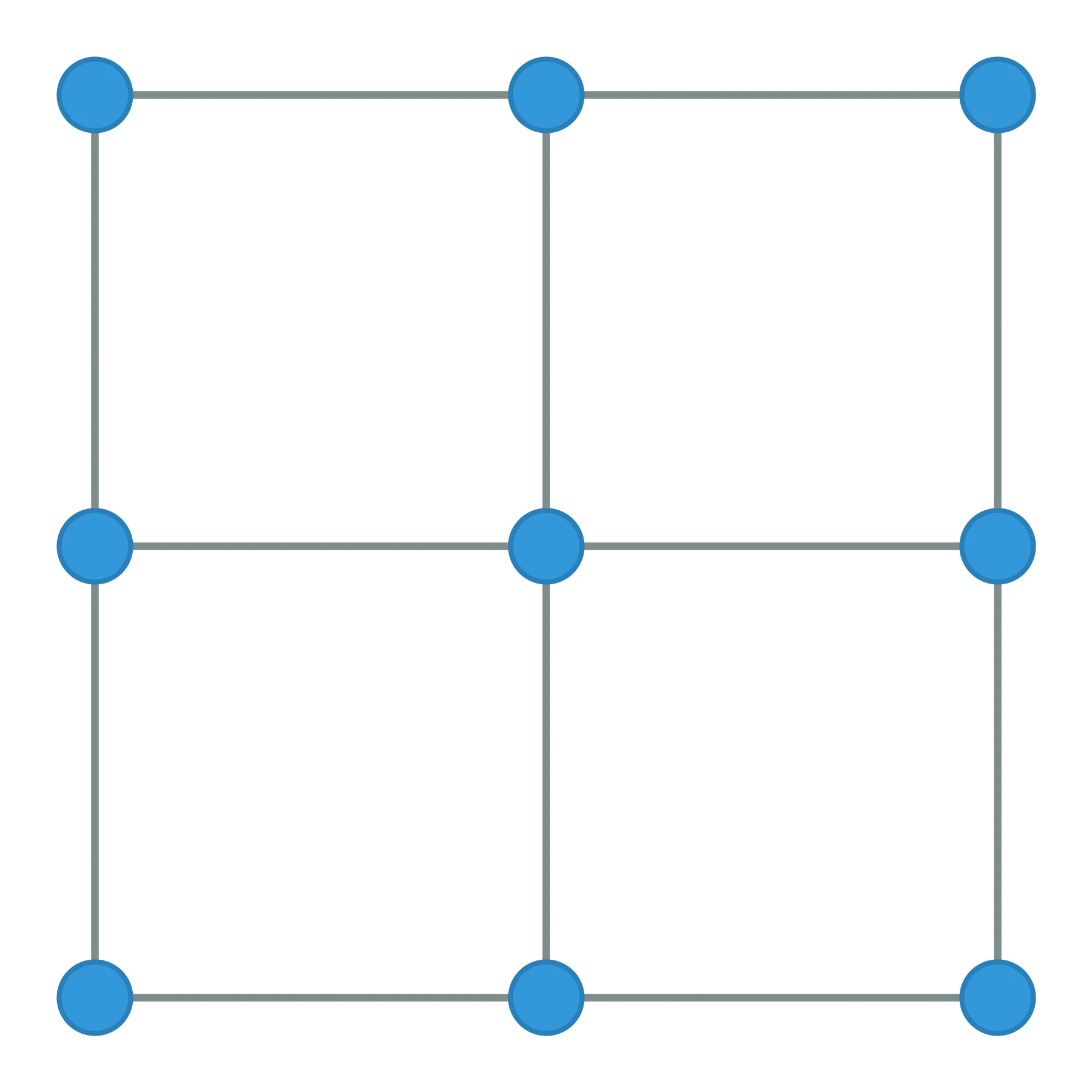
Fig 2b: Mesh Topology (Thread / Zigbee).
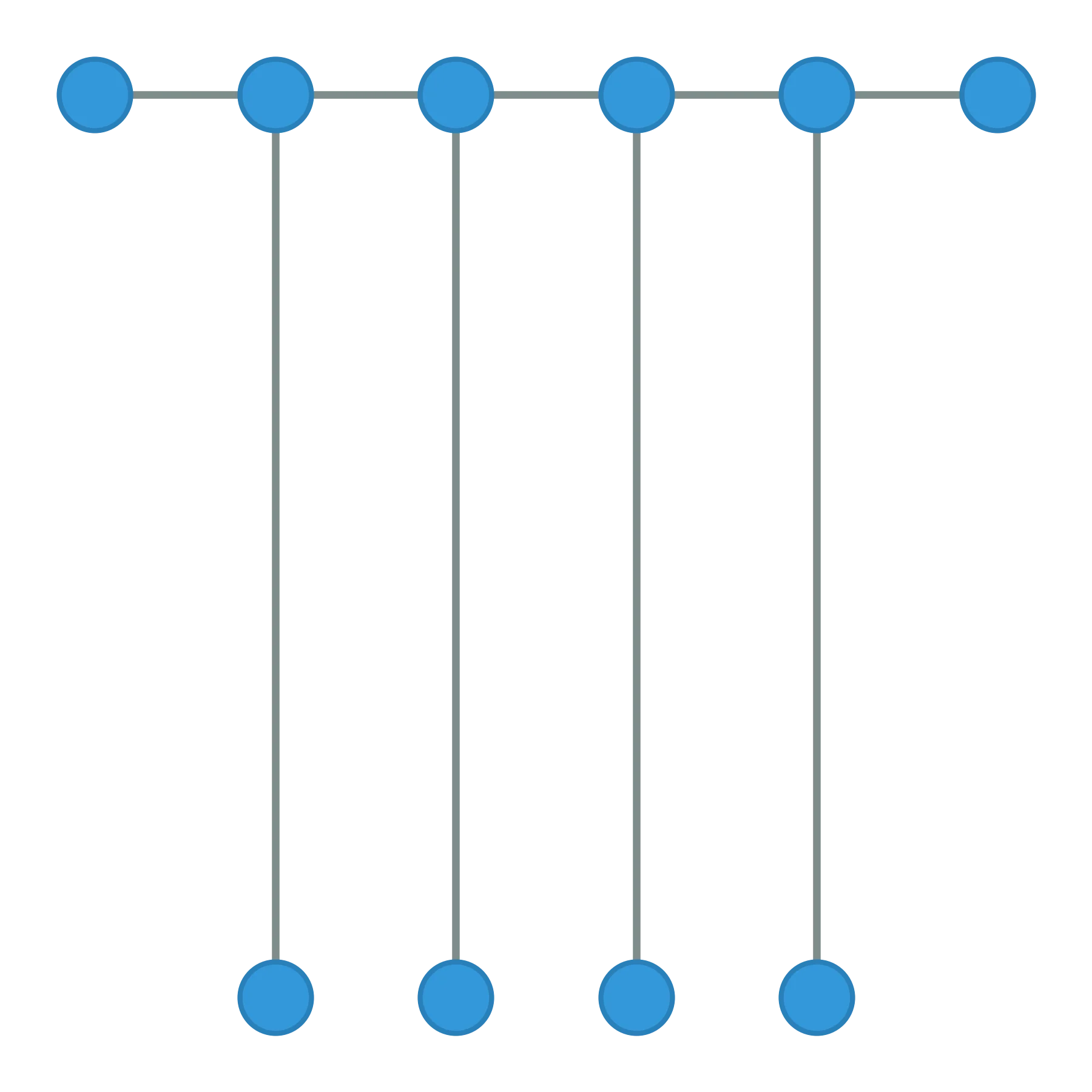
Fig 2c: Bus Topology (Modbus / BACnet MS/TP).
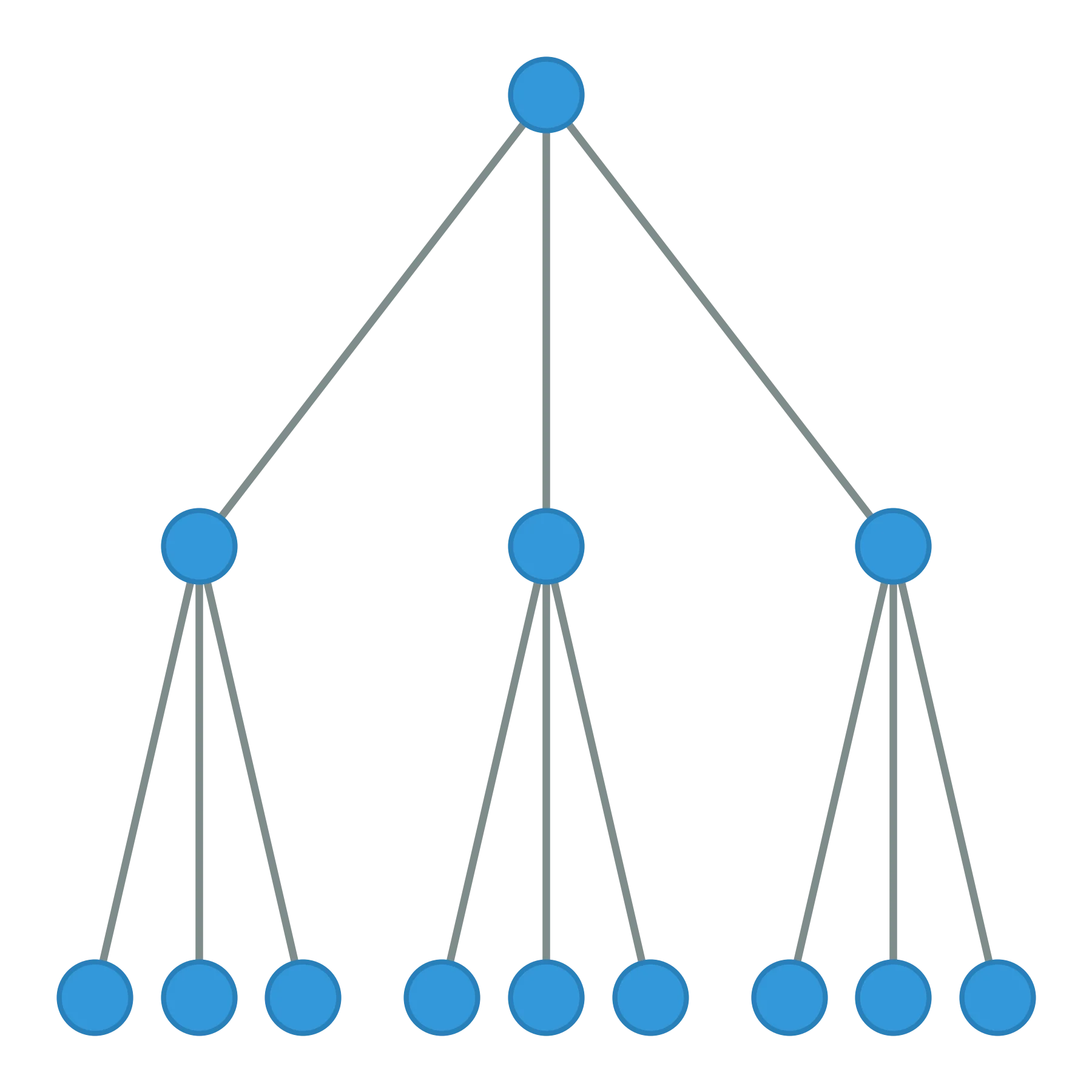
Fig 2d: Star-of-Stars Topology (LoRaWAN).
- Star (MQTT, Wi-Fi): All nodes connect to a central hub. It is fast and simple, but the hub is a single point of failure.
- Mesh (Thread, Zigbee): Nodes route traffic for each other. Highly fault-tolerant and self-healing, but requires complex routing tables.
- Bus (Modbus, BACnet MS/TP): All devices share a single physical wire. Requires strict arbitration (like Master/Slave polling) to prevent packet collisions.
- Star-of-Stars (LoRaWAN): Gateways act as transparent bridges relaying messages between end-nodes and a central Network Server.
2. The Application Layer: MQTT
MQTT is pure software. It sits at Layer 7 (Application) of the OSI model, operating exclusively over TCP/IP connections. This means MQTT requires a robust lower-level network (like Wi-Fi, Ethernet, or Cellular) to establish the TCP handshake before it can send a single byte of sensor data.
Backend Architecture: The PUB/SUB Broker
Unlike HTTP's client-server request model, MQTT uses a central Broker. A temperature sensor publishes a packet to a specific "Topic" (e.g., factory/zone1/temp). The sensor does not know who is listening. A database server subscribes to that topic. The Broker acts as a highly efficient routing engine, duplicating and pushing the packet to all active subscribers. This decoupling is what makes MQTT scale to millions of devices.
3. IEEE 802.15.4 Mesh Networks: Thread & Zigbee
Unlike MQTT, Thread and Zigbee dictate the physical hardware. They operate at the MAC and PHY layers using the IEEE 802.15.4 standard on the 2.4 GHz radio band.
Collision Avoidance (CSMA/CA)
Because thousands of nodes share the same 2.4 GHz airspace, they use CSMA/CA (Carrier-sense multiple access with collision avoidance). Before a node transmits, it "listens" to the radio channel. If the channel is quiet, it broadcasts. If another device is transmitting, it calculates a random backoff timer before checking again. This prevents packet collisions in dense environments.
Thread: The 6LoWPAN Magic
Thread uses a brilliant adaptation called 6LoWPAN. A standard IPv6 packet header is 40 bytes. The maximum payload of an 802.15.4 radio frame is only 127 bytes. If Thread sent standard IPv6 packets, a massive portion of the battery power would be wasted just sending headers. 6LoWPAN compresses the IPv6 headers down to just a few bytes, allowing Thread to route standard Internet Protocol traffic through an ultra-low-power local mesh.
4. Long-Range Sub-GHz: LoRaWAN
Wi-Fi physics dictate that 2.4 GHz signals bounce off walls but fade quickly. LoRa operates in the Sub-GHz band (e.g., 915 MHz in the US). Lower frequencies penetrate concrete better and travel farther.
Backend Architecture: Chirp Spread Spectrum (CSS)
LoRa hardware uses CSS modulation. Instead of transmitting data as distinct high/low frequencies, it encodes data into constant-amplitude chirps that sweep up or down in frequency. This technique yields a massive Processing Gain, allowing a LoRa gateway receiver to perfectly decode a signal that is actually below the environmental noise floor (negative SNR). This is how a sensor can push a signal 10 miles using less power than a laser pointer.
LoRaWAN Receive Windows (Classes)
To save power, a LoRaWAN Class A sensor turns its radio off 99% of the time. When it wakes up, it transmits its data, and then precisely opens two brief "Receive Windows" (RX1 and RX2) exactly 1 and 2 seconds later. If the server has a downlink command queued, it MUST transmit it during those exact microsecond windows. Otherwise, the sensor goes back to sleep and the server must wait until the next uplink.
5. Industrial Wiring: Modbus and BACnet
In a factory, a 2.4 GHz radio signal will be destroyed by the electromagnetic interference (EMI) of a 50-horsepower 3-phase motor starting up. This is where wired RS-485 comes in.
The PHY Layer: RS-485 Differential Signaling
Modbus RTU and BACnet MS/TP run on RS-485 hardware. Instead of sending a voltage relative to ground, RS-485 uses two wires (A and B). When wire A goes to +5V, wire B goes to -5V. The receiver reads the difference between the two. If an electromagnetic spike hits the cable, it hits both wires equally (Common Mode Noise). The difference between the voltages remains the same, meaning data perfection is maintained even in extreme electrical noise.
Modbus Polling vs BACnet Token Passing
On a Modbus bus, nodes are Slaves. They never speak unless spoken to by the Master PLC. This prevents collisions but scales poorly. BACnet MS/TP uses Token Passing. A logical "Token" is passed sequentially from device to device. Only the device holding the Token is allowed to transmit on the wire. Once finished, it passes the Token to the next MAC address. This guarantees deterministic latency.
The Verdict: Protocol Comparison Matrix
To summarize, here is the cheat sheet you need to make your engineering decision:
| Protocol | Topology | MAC/PHY Strategy | Power Profile | The Bottom Line |
|---|---|---|---|---|
| MQTT | Star (Broker) | TCP/IP | Moderate to High | PUB/SUB routing engine; requires existing IP network. |
| Thread | Mesh | 802.15.4 / CSMA-CA | Ultra-Low | 6LoWPAN compressed IPv6 for self-healing meshes. |
| Zigbee | Mesh | 802.15.4 / CSMA-CA | Ultra-Low | Full-stack standard with centralized coordinator roles. |
| LoRaWAN | Star-of-Stars | CSS Modulation | Ultra-Low | Sub-noise floor decoding for kilometer-scale range. |
| Modbus | Bus | RS-485 Polling | High (Mains) | Deterministic Master/Slave architecture for EMI environments. |
| BACnet | Bus / Star | Token-Passing / IP | High (Mains) | Object-oriented data structures for HVAC and BMS. |
Test Your Decision-Making Skills
Now that you understand the mechanics, let's see if you can choose the right protocol for these real-world engineering scenarios. Click "Reveal the Answer" to check your logic.
Scenario 1: The Smart Farm
You need to deploy 500 soil moisture sensors across a 2,000-acre cornfield. The sensors run on coin-cell batteries and send a few bytes of data once an hour. There is no Wi-Fi.
Reveal the Answer
Scenario 2: The Industrial CNC Machine
You are integrating a Variable Frequency Drive (VFD) for a 10HP motor on a factory floor. The environment is incredibly noisy with electromagnetic interference (EMI). You need deterministic polling with no missed messages.
Reveal the Answer
Scenario 3: The Smart Home Light Bulb
You are designing a consumer smart bulb that must integrate securely with Google Home and Apple HomeKit. Your device needs to route IPv6 traffic directly so the user's phone can talk to it locally.
Reveal the Answer
Scenario 4: The Flaky Mobile App
You are building a mobile app that receives live GPS coordinates from delivery trucks. Cellular coverage is spotty, and trucks frequently drop offline. When they reconnect, they need to quickly dump their backed-up location data to your server.
Reveal the Answer
Frequently Asked Questions
When should I choose MQTT over Thread?
MQTT is ideal for cloud-connected systems where low power is less critical but high reliability for message delivery (PUB/SUB) is needed. Thread is better for ultra-low-power local mesh networks where devices must run for years on a single coin-cell battery.
How does LoRaWAN achieve such long-range communication?
LoRaWAN uses Chirp Spread Spectrum (CSS) modulation, which allows signals to be decoded even when they are below the noise floor. This enables kilometer-scale range with minimal power consumption, making it perfect for agricultural or industrial sensors.
Why use RS-485 for industrial automation instead of Ethernet?
RS-485 uses differential signaling, which is highly resistant to electromagnetic interference (EMI) from heavy machinery. It is a robust, low-cost solution for deterministic communication in harsh industrial environments where Wi-Fi or Ethernet may fail.
Which is better for Industrial IoT: MQTT or HTTP?
MQTT is vastly superior for Industrial IoT. It uses a lightweight publish/subscribe model, requires very low bandwidth, and supports Quality of Service (QoS) levels to guarantee message delivery even on unreliable networks, unlike the heavier, request/response model of HTTP.
What is the best protocol for long-range, low-power sensors?
LoRaWAN is the industry standard for long-range (up to 15km) and low-power (years on a single battery) IoT applications. It is ideal for agriculture, smart cities, and remote industrial monitoring where WiFi or Cellular is impractical.
How do I choose between Zigbee and WiFi for smart building automation?
Zigbee is a mesh network protocol designed for hundreds of low-power devices to communicate with each other, making it perfect for light switches and sensors. WiFi consumes much more power and limits the number of connected devices per router, making it better suited for high-bandwidth devices like cameras.