Pro-Grade Lab Management: How to Run Your Workshop Like a Factory
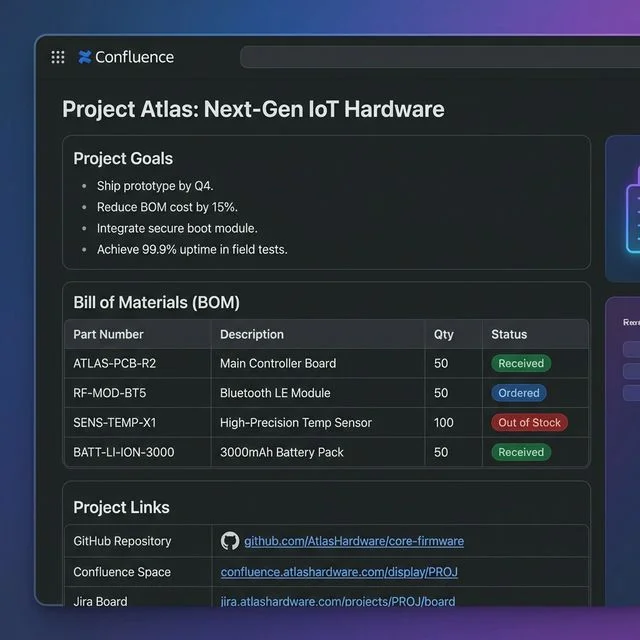
Since 2021, Confluence has been the backbone of all my projects. It has saved me an incredible amount of time, keeping my documentation perfectly organized and ensuring my team stays completely in sync.
There is a distinct difference between "tinkering" and "engineering." Tinkering is fun, but it often ends with a breadboard collecting dust because you forgot how the circuit worked. Engineering is about process, reproducibility, and finishing what you start.
If you are a hardware enthusiast, you already have the technical skills. You can route a PCB, solder 0402 components, and write C++ for an ESP32. What separates your weekend project from a professional product often comes down to one thing: Documentation.
In the professional world, hardware engineers use tools like Atlassian Confluence to manage complexity. Here is how you can use the same tool to treat your hobby projects with the respect they deserve.
Why Your Hobby Needs a "Pro" Workflow
When you are working solo, you might think documentation is a waste of time. "I know how it works. I built it."
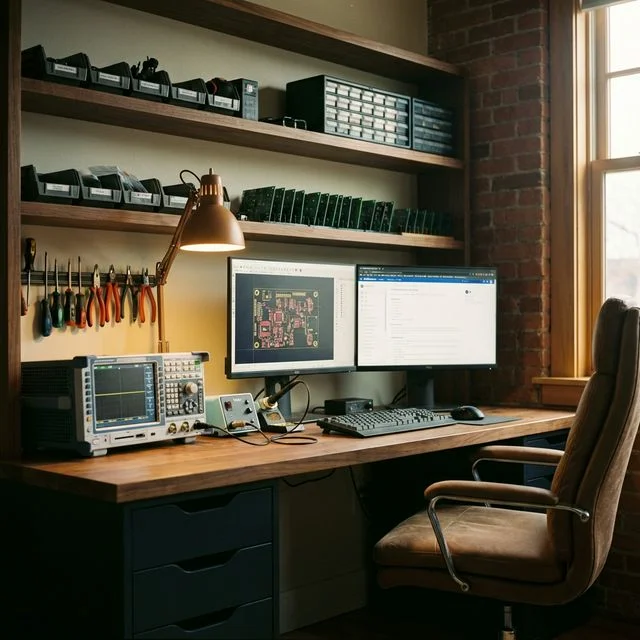 A structured workflow is the foundation of professional engineering.
But consider this. Have you ever picked up a project after a three-month break and spent the first weekend just trying to remember which pin goes to the display? Or why you chose that specific MOSFET?
Treating your hobby like a profession means:
- Respecting your own time: You do not want to relearn your own design every time you open KiCad.
- Saving money: A documented Bill of Materials (BOM) prevents ordering the wrong parts or forgetting what you already have in your bins.
- Scalability: If you ever decide to sell your device on Tindie or Crowd Supply, 90% of the work is already done.
Professional Power, For Free
Confluence offers a robust Free Version that is perfect for solo developers or small groups of up to 10 users. It's not a stripped-down trial; it's a powerful tool that includes:
- Unlimited Pages and Spaces: Organize every project in its own dedicated home.
- Best-in-class Editor: Create tables, add macros, and embed multimedia with ease.
- Basic Analytics and Security: Keep track of your progress and keep your data safe.
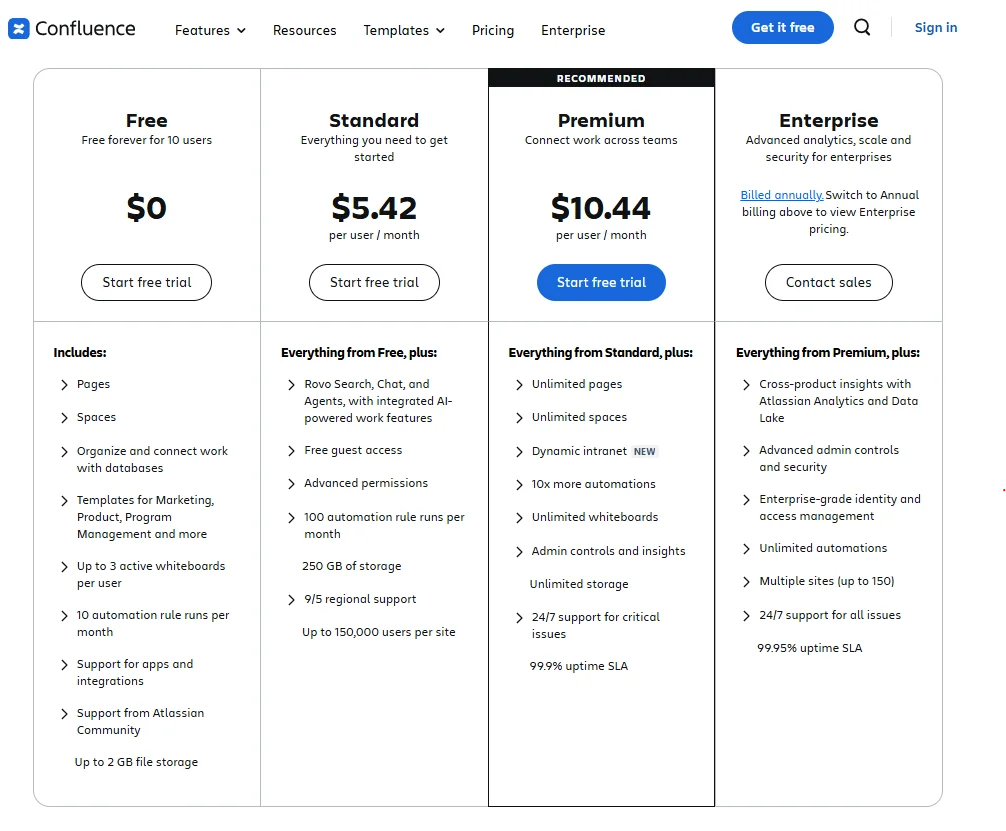 The free tier provides everything a hobbyist needs to scale.
Take Your Lab Anywhere
Engineering doesn't just happen at the bench. With the Confluence Mobile App, you can access your documentation from anywhere. Whether you're at the electronics store and need to check a part number, or in different parts of your house wanting to quickly jot down a new idea, your lab is always in your pocket.
 Access your BOM and pinouts on the go.
Managing Revisions (Rev A vs. Rev B)
Paraphrased hierarchy for each board spin. Hardware > Rev 0.1 (Prototype):
- Errata Section: When you cut a trace or solder a jumper wire, take a photo and upload it here immediately.
- Next Steps: "For Rev 0.2, rotate the USB connector 90 degrees."
Leverage Professional Templates
Jumpstart your documentation process by exploring the pre-designed templates available in Confluence, tailored for various project management needs.
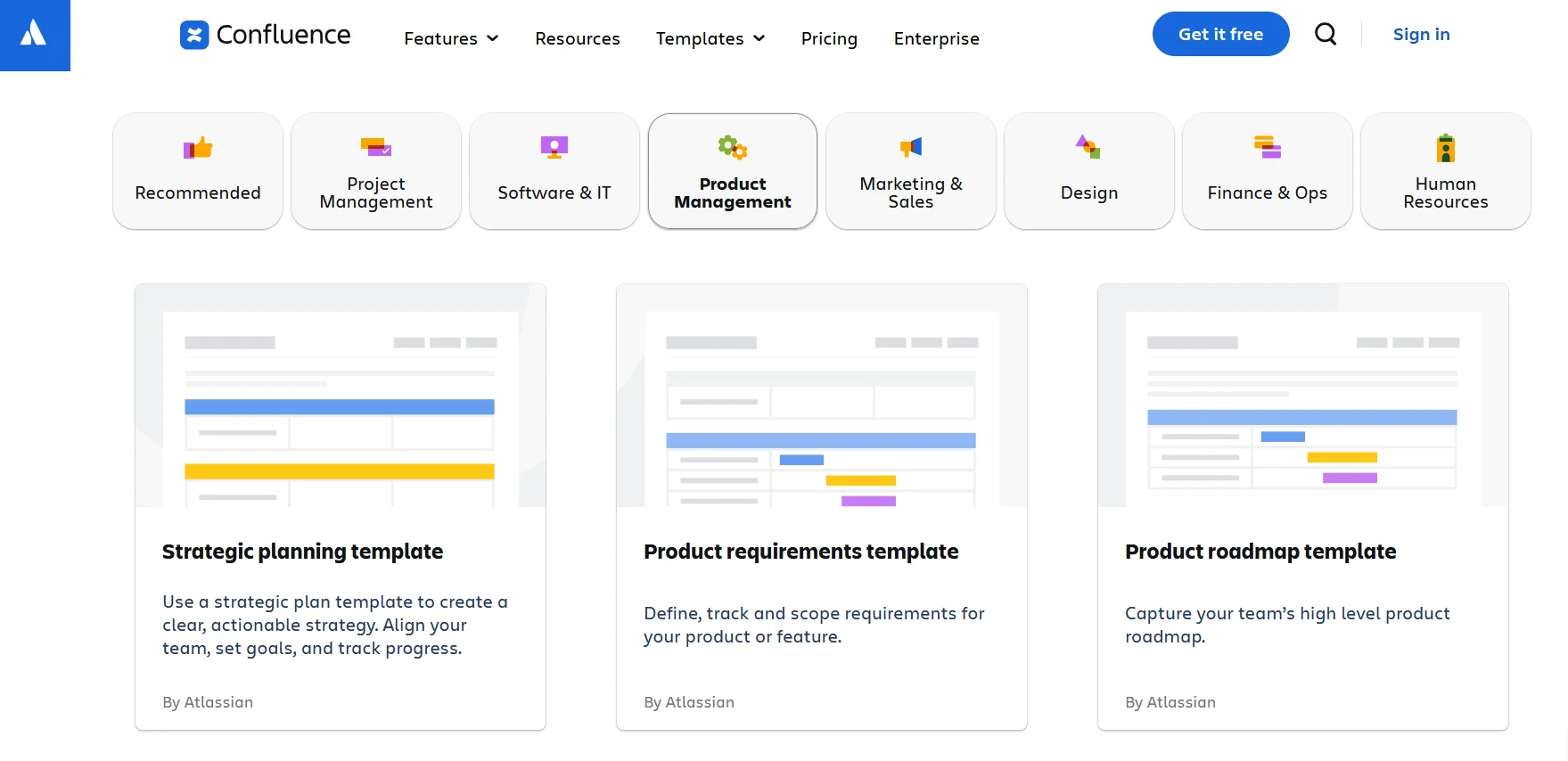
Quickly scale your projects with professional templates. Explore Atlassian Templates
Conclusion
You do not need a degree or a corporate job to engineer like a professional. You just need the right mindset and the right tools. By using Confluence to document your hobby builds, you are not just making a gadget. You are building a legacy for your work.
Stop keeping it all in your head. Write it down. Build it better.
Start the confluence tool: atlassian.com/software/confluence
Frequently Asked Questions
How can a maker transition to a structured engineering workflow?
Start by shifting from "building blindly" to writing PRDs (Product Requirements Documents). Enforce strict file versioning (V1, V2), label all your wiring, and document your failures meticulously in a central wiki.
Why use a Bill of Materials (BOM) for hobby projects?
If your project works and someone else wants to replicate it, or you want to build a second unit a year later, a standardized BOM with part numbers and supplier URLs saves hours of reverse engineering your own work.
What tools do professionals use to manage hardware projects?
Aside from CAD, pros rely on Altium or KiCad for schematics, Jira or Linear for issue tracking, and a centralized wiki for assembly documentation and knowledge retention.
What is the 5S methodology and how does it apply to a workshop?
5S stands for Sort, Set in order, Shine, Standardize, and Sustain. It is a systematic organization method that reduces waste and safety hazards by ensuring every tool has a designated, labeled home.
Why is a central documentation hub like Confluence useful for hardware hobbyists?
It prevents memory rot. Documenting part numbers, wire colors, calibration values, and source code links in one searchable place ensures you can easily repair or upgrade a project years later.