Bring Dead Batteries Back to Life: The Technical Guide to Li-Ion Revival
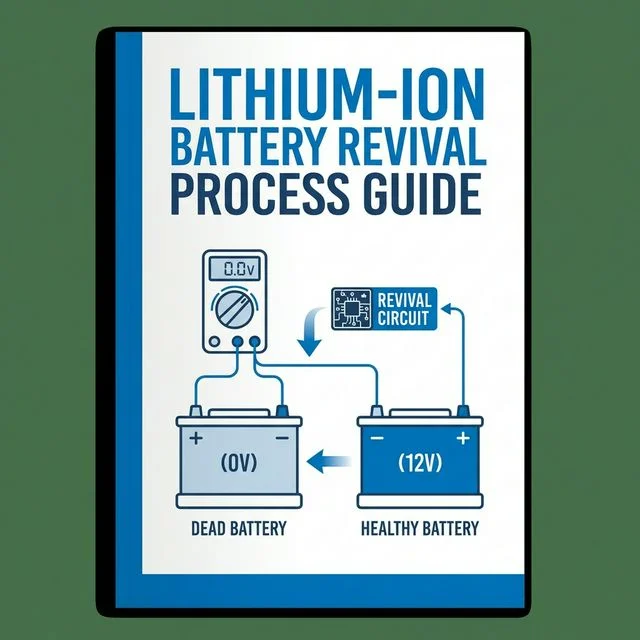
Diagnosis: The 0 Volt Reading
Virtual Workbench
Simulate the connection process safely.
Technical Risk Assessment
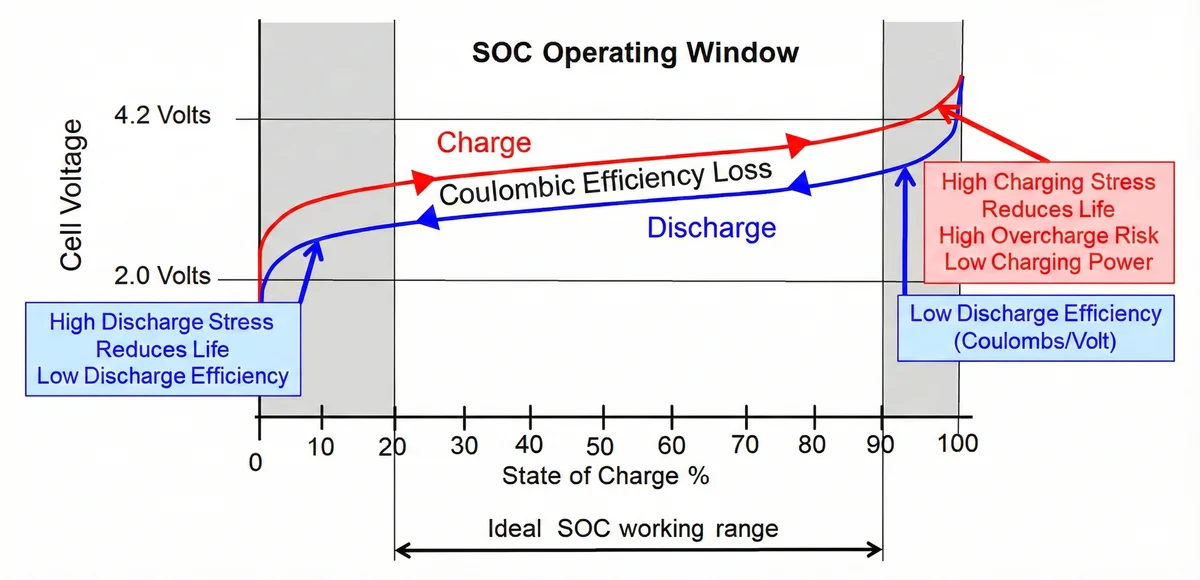
- When a lithium-ion battery sits uncharged for too long, its voltage can drop below the safe limit of 2.0 V.
- This deep discharge causes internal damage to the battery's components.
- Attempting to "jumpstart" the battery by forcing a high current into it (like using a parallel connection) is dangerous.
- This process causes dissolved copper to form sharp, needle-like structures called dendrites.
- These dendrites can puncture the internal separator, leading to a short circuit or even a fire.
Personal Recommendation: In my experience, some recovered cells may appear to work fine, but they are never as reliable as new ones. I only use these "revived" batteries for low-power, simple projects where safety risks are minimized.
⚠️ Safety Note: This is a DIY method for lithium-ion cell revival. Use this technique for small hobby projects only. Always perform these steps with proper safety gear and extreme caution.
Voltage Recovery Curve
Target: > 2.5VPost-Procedure Decision Matrix
Voltage Restored
The cell shows >2.5V after disconnection.
Unstable Voltage
Shows voltage but drops rapidly.
Still Zero Volts
No voltage detected after 2 attempts.
Frequently Asked Questions
Is it safe to "revive" a completely dead lithium-ion cell?
Generally, no. If a Li-ion cell falls below 2.5V for an extended period, internal copper shunts can form. Attempting to recharge it can cause an internal short and catastrophic thermal runaway. Always test internal resistance first.
What causes a lithium battery pack to become unbalanced?
Tiny manufacturing variances mean cells discharge at slightly different rates. Over hundreds of cycles, this difference compounds until one cell drops below the safety threshold, triggering the BMS to shut the entire pack down.
How do you replace a bad cell in a spot-welded power tool battery?
You must carefully drill or dremel the spot welds, ensure the replacement cell is the exact same chemistry and identical voltage to the rest of the pack, and use a dedicated capacitive spot welder to attach the new nickel strips.
Can a lithium-ion cell with 0V be safely recharged?
Generally, no. If a cell has been at 0V for a long time, copper shunts may have formed inside, causing a permanent internal short. Attempting to charge it can cause thermal runaway. Only cells that have just recently dipped slightly below the cutoff threshold should be recovered under strict supervision.
Why does a BMS cut off power before the battery is completely empty?
A BMS enforces a low-voltage cutoff (typically 2.5V to 3.0V per cell) to prevent deep discharge, which permanently damages the chemistry and makes recharging dangerous.