Beyond "Good Enough": Professional Industrial Design for Makers
I used to be a typical engineer - if it worked, it was done. I'd spend weeks on a PCB, get the firmware perfect, and then throw it in a generic grey project box. But as I started building more consumer-facing hardware like the curve-lamp, I realized I was hitting a wall. People weren't just buying the light; they were buying the way it looked on their desk.
Industrial design isn't just "gift wrapping." It's the difference between a gadget that sits in a drawer and a product that people actually love to use. Here's what I've learned about bridging the gap between a breadboard and a finished product.
The 'curve-lamp' lesson
When I first modeled the curve-lamp, my only goal was to see if I could 3D print a complex silhouette without supports. But as I refined the shape, I noticed something: the more I focused on the ergonomics and the "flow" of the lines, the more people wanted to know where they could buy it. Design adds perceived value that technical specs alone can't touch.
My 3 Rules for Functional Aesthetics
- Utility vs. Frustration: If a user has to think about how to use your product, you've failed. Design should be intuitive.
- Maintenance shouldn't be a mystery: I always design my enclosures with "future-me" in mind - easy access to screws and modular components.
- Manufacturing Reality: A beautiful design is useless if you can't manufacture it. I always balance aesthetics with DFM (Design for Manufacturing).
The 6-Step Workflow I actually use
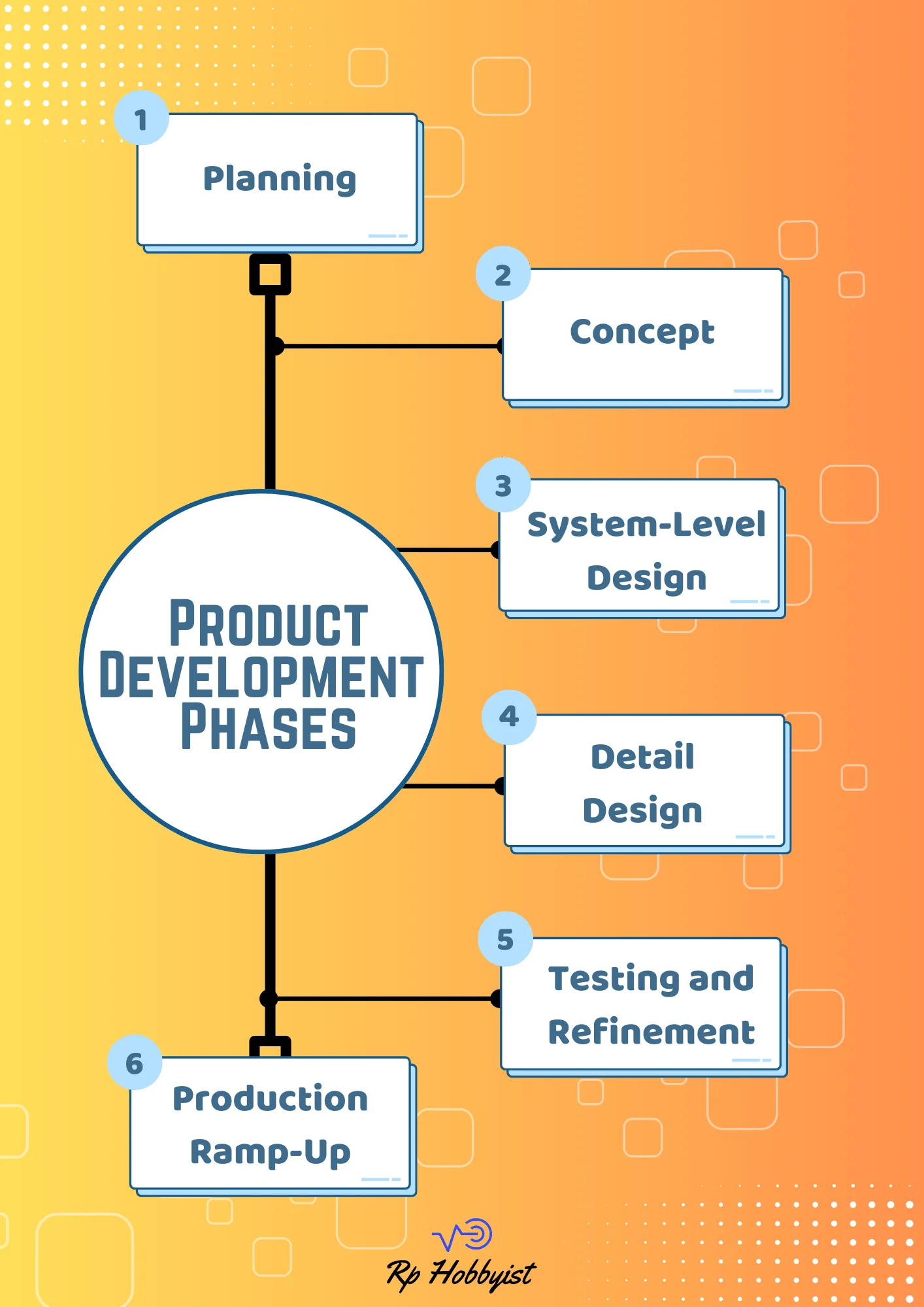
- 1. Digging into the Pain: Who is this for? What's the one thing that annoys them about existing products?
- 2. Sketching & Rapid Mockups: I go through dozens of rough ideas before I even touch Fusion360.
- 3. The Tech-Fit: This is where the engineering meets the art. Will the battery actually fit in that curved housing?
- 4. Prototype 1.0: Usually ugly, but it proves the ergonomics.
- 5. Precision Modeling: This is the final CAD stage where everything has to be millimetre-perfect for tooling.
- 6. Sourcing & Production: Finding the right materials (like the PLA-CF I use for durability) to match the vision.
Ultimately, industrial design is about Visual Equity. It's about creating a look that people instantly recognize as yours. Don't leave your user's experience to chance - build it with purpose.
Frequently Asked Questions
What is the difference between mechanical engineering and industrial design?
Mechanical engineering makes the product work and survive real-world stress. Industrial design focuses on how the human user interacts with the product - its ergonomics, aesthetics, interface, and emotional appeal.
How does UI/UX apply to physical hardware products?
Hardware UX is the tactile feedback of a mechanical switch, the intuitive layout of control panels, and ensuring a device is naturally held the correct way without requiring an instruction manual.
Can good industrial design reduce manufacturing costs?
Yes. A skilled industrial designer works with DFM principles to reduce part counts, simplify assembly lines, and choose materials that look premium but require fewer secondary finishing steps.
What is a split line in product design?
A split line (or parting line) is the boundary where the different parts of a multi-piece enclosure meet. Designing clean, deliberate split lines hiding internal clips or screws is key to achieving a professional product aesthetic.
How does CMF (Color, Material, Finish) define product success?
CMF focuses on the chromatic, tactile, and aesthetic identity of a product. Choosing the right plastic texture, metal anodization, or soft-touch coating elevates a product from looking like a cheap toy to feeling premium and durable.